
How to Let Go of Sentimental Items When Downsizing

15 Thoughtful Ways to Release the Past and Create Space for the Life You Want
Many people believe that downsizing is difficult because of furniture or storage.
In my experience, that’s rarely the real challenge.
The hardest things to let go of are the items connected to memories.
A box of letters.
Your child’s artwork.
Your grandmother’s dishes.
Souvenirs from trips long ago.
These things can quietly accumulate over decades until suddenly we realize something surprising:
We’re not just storing objects.
We’re storing pieces of our past.
And when those pieces begin to fill closets, attics, basements and storage lockers, they can start to crowd out the life we’re living today.
The good news is that you don’t have to erase your memories to let go of the objects.
With a little thought and intention, you can honor your past while still creating space for your future.
How Do You Let Go of Sentimental Items When Downsizing?
The best way to let go of sentimental belongings is to separate the memory from the object. Keep a small number of meaningful items, photograph others, pass special pieces to family, and release the rest so they can be used and enjoyed again.
Letting go is not about forgetting the past.
It’s about making space for the life you are living now.
15 Ways to Let Go of Sentimental Items Without Losing the Memories
If you are just beginning the downsizing process, I recommend starting with my (add link) Downsizing Starter Checklist, which walks you through the first simple steps so the process never feels overwhelming.
1. Start With the Least Emotional Items
When people begin downsizing, they often start with the hardest things first.
That usually leads to overwhelm.
Instead, begin with sentimental items that carry less emotional weight - souvenirs, old décor, duplicate photo frames or items from past hobbies.
This builds confidence and momentum.
Letting go becomes easier with practice.
2. Separate the Memory From the Object
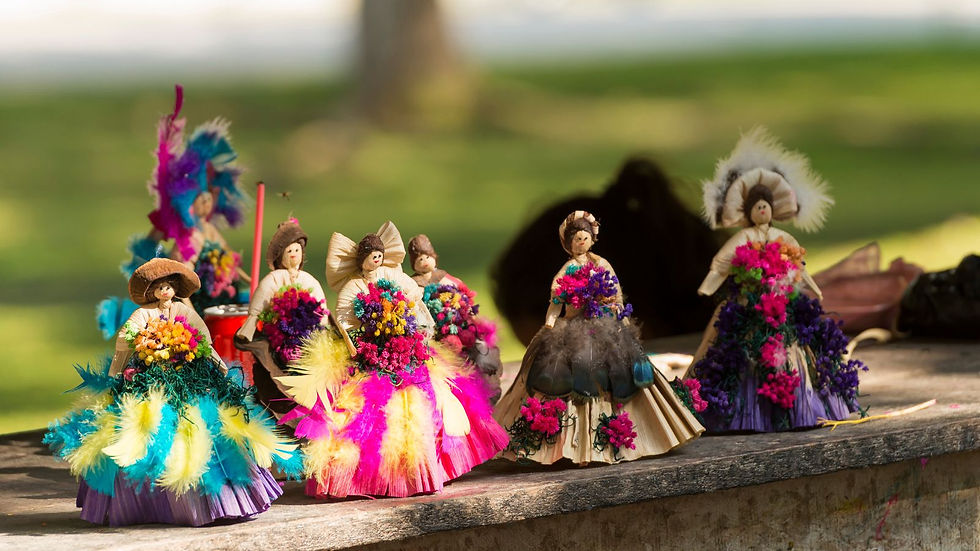
One of the most important things to remember is this:
The memory is not inside the object.
The memory is inside you.
Objects are simply reminders.
Once you understand this, it becomes easier to release items that have been quietly taking up space for years.
3. Photograph the Item and Keep the Memory
A simple but powerful technique is to photograph sentimental objects before letting them go.
A digital photo preserves the memory while removing the need to store the physical object.
You may never look at the photo again - but knowing it exists often makes letting go much easier.
4. Keep a Small Memory Box
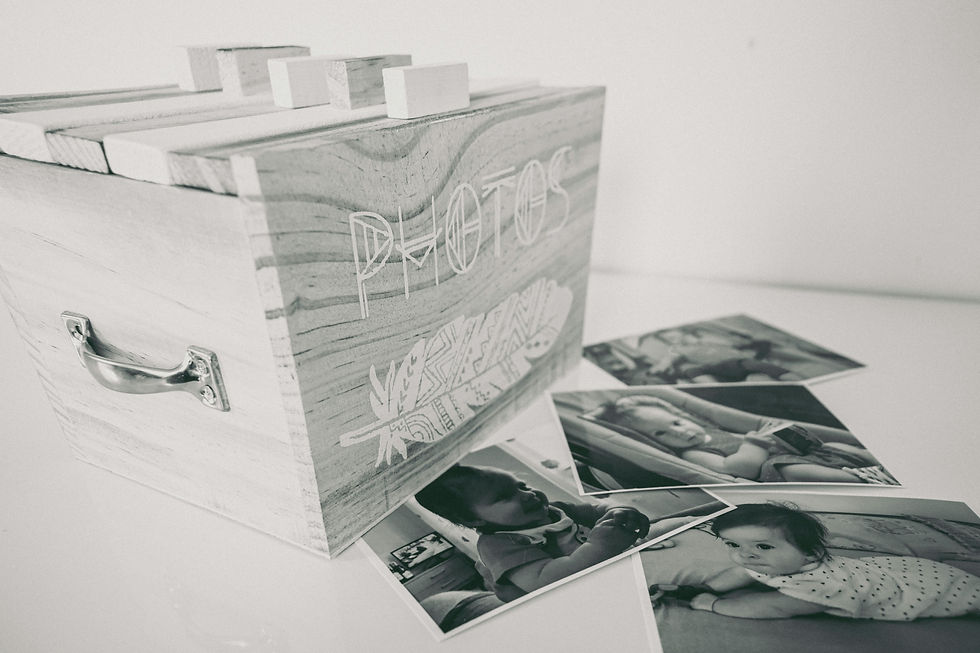
Instead of keeping dozens of boxes of sentimental belongings, create one carefully curated memory box.
This encourages you to choose only the items that truly matter.
When the box becomes full, something must leave before something new can enter.
This naturally keeps sentimental collections manageable.
5. Ask: Does This Item Support My Life Today?

Many sentimental objects belong to earlier chapters of our lives.
Old hobbies.
Past relationships.
Careers we no longer have.
A helpful question to ask is:
Does this item support the life I’m living now?
If not, it may simply be a reminder of a life that has already been lived.
6. Let Useful Items Continue Their Story
Many sentimental belongings are perfectly usable.
Dishes. Furniture. Books. Tools.
Instead of storing them forever, consider passing them along so someone else can enjoy them.
There is something comforting about knowing an item will continue to be used rather than sitting unseen in a box.
7. Share Family Items While You’re Still Here

One of the most meaningful things you can do is give special items to family members while you are alive.
Tell them the story.
Explain why the item mattered to you.
This turns the object into a shared memory instead of something inherited without context later.
8. Remember That Objects Are Not People
Many people hold onto belongings because they feel like letting go would somehow dishonor the person connected to the item.
But love does not live inside objects.
Your relationship with someone exists in your memories, your experiences and the impact they had on your life.
Not in a box stored in the attic.
9. Allow Yourself Time With Grief Items

Items connected to loss can be the hardest to sort through.
There is no need to rush this process.
Sometimes the best approach is simply to set these items aside until you feel emotionally ready.
Grief takes time and honoring that time is important.
10. Create a “Dilemma Box”
If you are unsure about an item, place it in a box labeled with a future review date.
Six months later, open the box again.
You may find that the emotional attachment has softened and the decision becomes clearer.
11. Let Go of Duplicates

Many sentimental collections include multiple versions of the same type of item:
Boxes of children’s drawings
Stacks of travel souvenirs
Duplicate photo albums
Keeping one or two representative pieces often preserves the memory just as well.
12. Release Aspirational Clutter

Some sentimental items are tied not to the past but to the future we once imagined.
Craft supplies we never used.
Sports equipment for hobbies we no longer practice.
Books for goals we never pursued.
Letting go of these items frees you from the pressure of unfinished intentions.
13. Create a Ritual of Gratitude
Sometimes it helps to acknowledge the role an object played in your life.
Before letting it go, pause and say:
“Thank you for being part of my story.”
This small moment of gratitude can bring a surprising sense of closure.
14. Focus on the Life You Are Creating

Downsizing is not about shrinking your life.
It’s about designing a home that supports the life you want now.
When sentimental items begin to crowd out your space, they can quietly anchor you to the past.
Letting go creates room for new memories to be made.
15. Remember: Your Life Is Not Your Stuff

At the end of the day, the most important truth is this:
Your life is not contained in your possessions.
Your life is contained in your experiences, relationships and the moments you live every day.
Objects may remind us of those moments - but they are not the moments themselves.
Conclusion
Letting go of sentimental belongings is one of the most emotional parts of downsizing.
But it can also be one of the most freeing.
When we release the objects that anchor us to the past, we make room for the present to breathe.
Your home should support the life you are living now - not act as a storage unit for every chapter that came before it.
A few treasured items are enough to honor your story.
The rest can be released so your home and your life, can move forward.
The Celebrating Small Spaces Method
In my work with downsizing clients, I often follow what I call the Celebrating Small Spaces Method - starting with mindset, then editing possessions, then designing the space to support the life you want to live.
FAQ
What should you do with sentimental items when downsizing?
When downsizing, keep a small number of meaningful items, photograph objects that hold memories, pass heirlooms to family members and donate usable belongings so they can continue their story in another home.
Why is it so hard to get rid of sentimental items?
Sentimental items carry emotional meaning because they are connected to memories, relationships and important life events. Letting go can feel like letting go of the memory itself.
How many sentimental items should you keep?
There is no exact number, but most people find it helpful to limit sentimental items to a small memory box or one dedicated storage area.
Is it okay to photograph sentimental items instead of keeping them?
Yes. Many people find photographing sentimental objects allows them to preserve the memory without keeping the physical item.
What should you do with sentimental items your children don’t want?
If family members are not interested in keeping the item, consider donating it so someone else can enjoy it. Keeping items out of obligation often leads to unnecessary clutter.
The Sentimental Clutter Test
Over the years I’ve noticed something interesting when people are sorting through their homes.
The hardest items to deal with are rarely the big things.
It’s the small sentimental pieces - the ticket stubs, the old letters, the inherited dishes, the souvenirs, the childhood artwork tucked away in boxes.
When people pick them up, they often ask the same question:
"How can I possibly let this go?"
When that happens, I invite them to try something I call The Sentimental Clutter Test.
It’s a simple set of questions that helps separate true treasures from objects that are quietly anchoring us to the past.
The Celebrating Small Spaces Sentimental Clutter Test
When you pick up a sentimental item, ask yourself three questions.
1. Does this item lift my energy when I see it?
When you hold it or look at it, do you feel:
• joy
• warmth
• gratitude
• inspiration
Or does it trigger:
• guilt
• sadness
• obligation
• pressure to keep it?
Objects that genuinely lift your energy deserve a place in your life.
Items that create emotional heaviness may be ready to go.
2. Do I truly love it - or just the memory attached to it?
Many objects are kept only because of the story attached to them.
If you saw this item in a store today, would you buy it?
If the answer is no, then the value is not the object - it’s the memory.
And the beautiful truth is:
You can keep the memory without keeping the object.
3. Does this item support the life I’m living today?
Our homes should reflect who we are now, not just who we used to be.
Ask yourself:
• Does this object support the life I’m living today?
• Or is it holding space for a chapter that has already closed?
If the answer is no, then the value is not the object - it’s the memory.
And the beautiful truth is:
You can keep the memory without keeping the object.
A Gentle Truth About Sentimental Items
It’s perfectly fine to keep some meaningful pieces.
A few treasures that truly matter can enrich your home.
But when sentimental items begin to fill boxes, closets, basements and storage units, they stop being keepsakes and start becoming storage for the past.
Your home should support the life you are living now - and the life you are still creating.
A Simple Rule I Often Suggest
If an item passes the Sentimental Clutter Test, keep it and enjoy it.
If it doesn’t, try one of these options:
• photograph it
• pass it on to family
• donate it so someone else can enjoy it
• thank it for the role it played in your life and let it go
The memory will remain - even when the object is gone.
The Real Goal
Letting go of sentimental clutter isn’t about erasing your past.
It’s about making space for your present and your future.
Because your home should never feel like a museum of your life.
It should feel like the launchpad for the life you are living right now.


